
Peptide Calculator UK
Use this peptide reconstitution calculator to convert your laboratory inputs into concentration, volume and U-100 syringe units. It does not suggest a dose.
Result
Enter the vial content, water volume and dose to see the result.
How the peptide calculator works
A lyophilised vial holds a fixed mass of peptide. Add bacteriostatic water and the concentration is that mass divided by the water volume. Enter a dose and the calculator gives the volume to draw and its units on a U-100 insulin syringe.
concentration (mg/ml)=peptide mass (mg) ÷ water volume (ml)
draw volume (ml)=dose (mg) ÷ concentration (mg/ml)
syringe units=draw volume (ml) × 100(U-100)
Concentration example only: a labelled 10mg research vial with 2ml of diluent calculates to 5mg/ml. At 1ml it calculates to 10mg/ml. These are arithmetic examples, not a recommended diluent volume or compound amount; the calculator does not choose either input for your experiment.
Concentration by vial size and water volume
Vial mass divided by water volume, in mg/ml, for common vial sizes in our range.
| Vial content | 1 ml water | 2 ml water | 3 ml water |
|---|---|---|---|
| 1 mg | 1.00 mg/ml | 0.50 mg/ml | 0.33 mg/ml |
| 2 mg | 2.00 mg/ml | 1.00 mg/ml | 0.67 mg/ml |
| 5 mg | 5.00 mg/ml | 2.50 mg/ml | 1.67 mg/ml |
| 10 mg | 10.00 mg/ml | 5.00 mg/ml | 3.33 mg/ml |
| 40 mg | 40.00 mg/ml | 20.00 mg/ml | 13.33 mg/ml |
| 50 mg | 50.00 mg/ml | 25.00 mg/ml | 16.67 mg/ml |
| 100 mg | 100.00 mg/ml | 50.00 mg/ml | 33.33 mg/ml |
Peptide calculator FAQs
How does a peptide calculator work?
Peptide calculator, reconstitution calculator, peptide dosage calculator and peptide mixing calculator are search names for this arithmetic tool. Vial mass divided by entered water volume gives concentration in mg/ml. A separately entered research amount divided by that concentration gives a corresponding volume and U-100 syringe units. No amount is suggested or pre-filled.
What is the formula for peptide reconstitution?
Concentration (mg/ml) = peptide mass (mg) ÷ water volume (ml). Draw volume (ml) = dose (mg) ÷ concentration (mg/ml). On a U-100 insulin syringe, units = draw volume (ml) × 100. Every figure the calculator shows comes from these three lines.
How much bacteriostatic water should I add to a vial?
The calculator does not specify a water volume for any peptide. Enter the vial mass and the diluent volume from your laboratory protocol to calculate the resulting concentration. Changing the entered volume changes the calculated concentration; it is not a recommendation for preparing a particular compound.
Can I use this calculator for BPC-157, TB-500 or GHK-Cu?
The same mass-and-volume arithmetic can be applied to a labelled lyophilised research vial, including BPC-157, TB-500 or GHK-Cu. Enter the vial mass and the values specified by your laboratory protocol. The calculator never suggests a dose for any compound.
Does it work for blends like BPC-157 + TB-500 or CJC-1295 + Ipamorelin?
Yes, with one extra step. Enter the total vial mass for the total concentration, then split it by the fill ratio. A 5mg + 5mg vial in 2ml is 5mg/ml in total and 2.5mg/ml of each peptide. Every draw holds both peptides in that same ratio.
How do I convert millilitres to insulin syringe units?
On a U-100 syringe, 1ml is 100 units, so multiply ml by 100: 0.25ml is 25 units and 0.1ml is 10 units. The calculator assumes U-100, the standard marking on 0.3ml, 0.5ml and 1ml insulin syringes in the UK. A U-40 syringe has 40 units per ml, so check the barrel before reading off units.
Why does the calculator say the volume exceeds my syringe?
The volume calculated from the numbers you entered exceeds the selected U-100 barrel capacity. Check your inputs, units and syringe selection against your laboratory protocol. The warning does not recommend changing a compound amount or preparation.
Is bacteriostatic water the same as sterile water?
No. Bacteriostatic water contains 0.9% benzyl alcohol, which stops bacteria multiplying, so the vial can be entered more than once. Sterile water has no preservative, so a vial reconstituted with it is effectively single use. For a vial you will draw from several times, bacteriostatic water is the usual choice.
How long does a reconstituted peptide last?
It varies by compound, so check the storage section on the product page and the certificate of analysis. Keep reconstituted solution at 2-8°C. Lyophilised powder is far more stable and keeps long term at -20°C. Freezing single-use aliquots straight after reconstitution avoids repeatedly entering one vial.
Is this peptide calculator free?
Yes, it is free and needs no account. The sums run in your browser, so the figures you enter are never sent to us or stored on a server.
Related pages
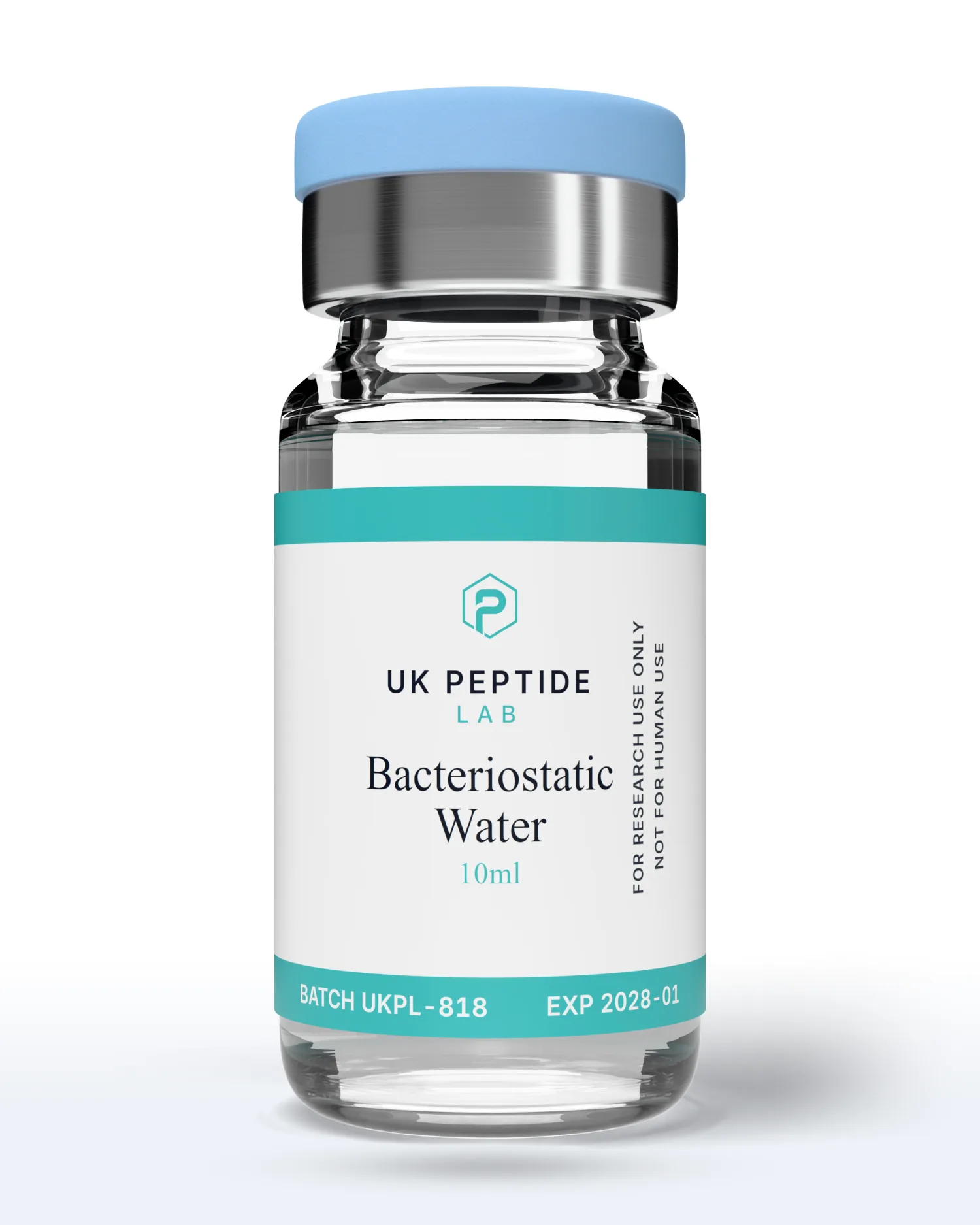 Bacteriostatic Water 10mlSterile water with 0.9% benzyl alcohol. For peptide reconstitution.
- Reconstitution guide
- Peptide storage guide
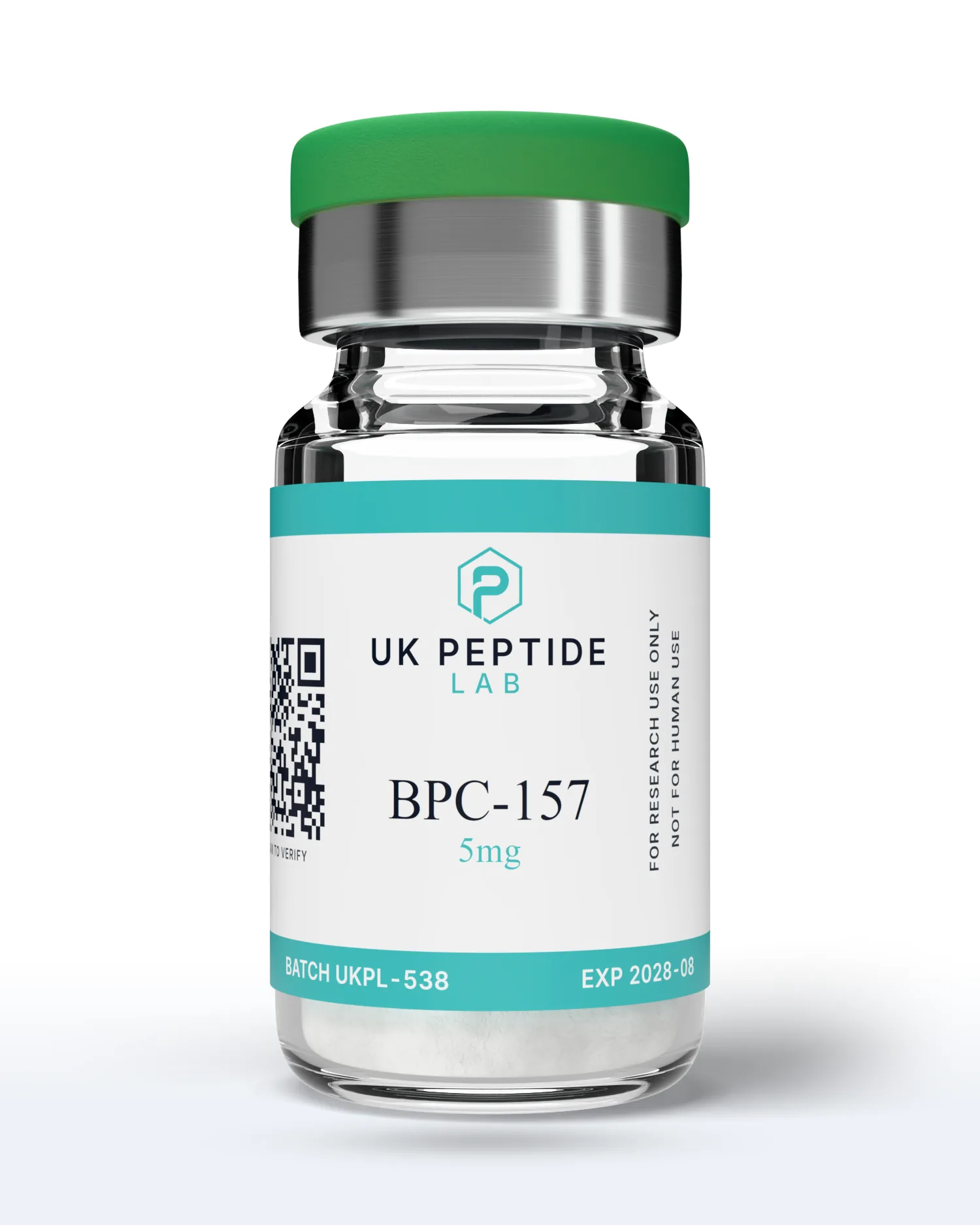 BPC-157 research vial15 amino acid synthetic peptide derived from human gastric juice. Research grade.
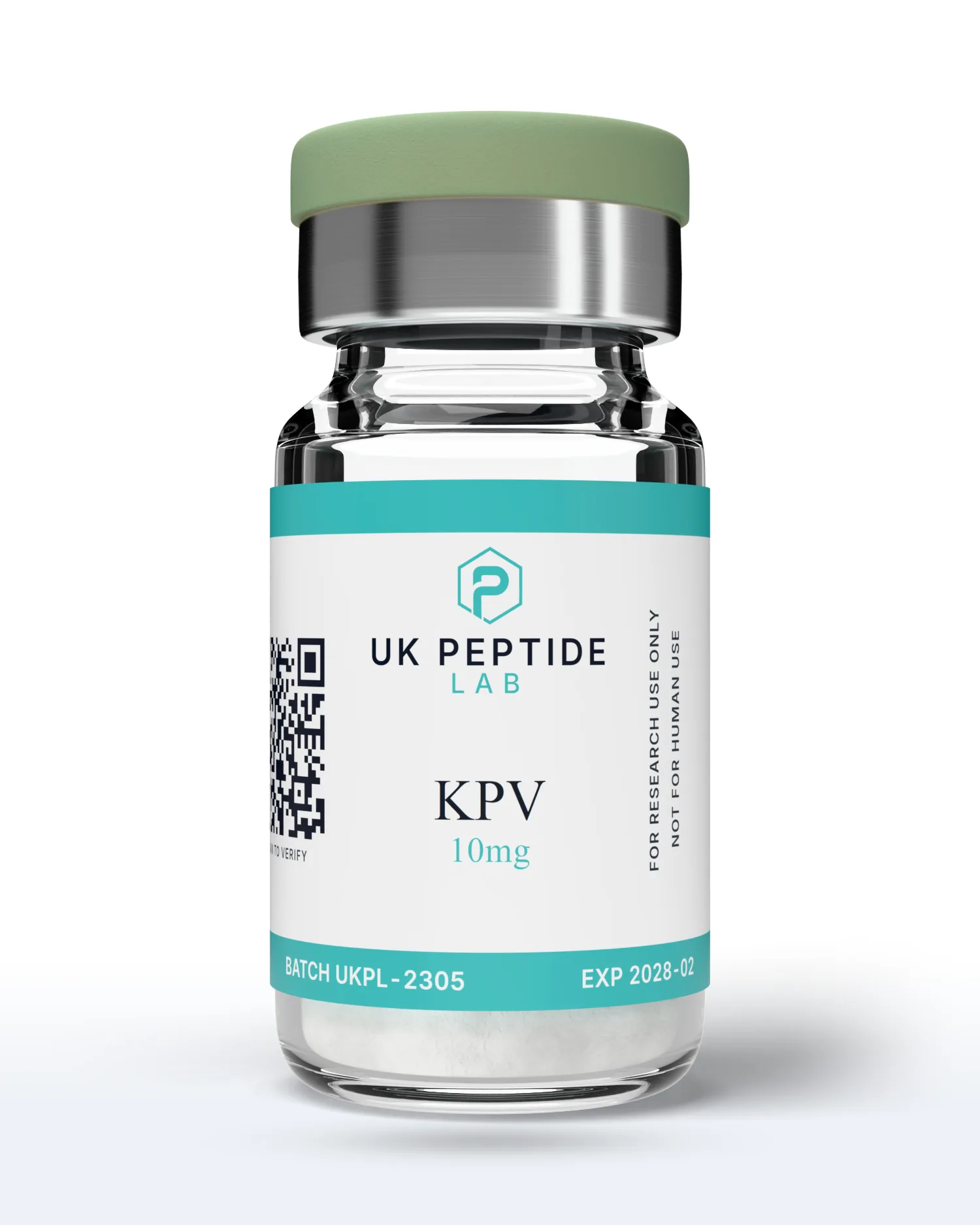 KPV research vialα-MSH C-terminal tripeptide. Mucosal anti-inflammatory and barrier-integrity research.
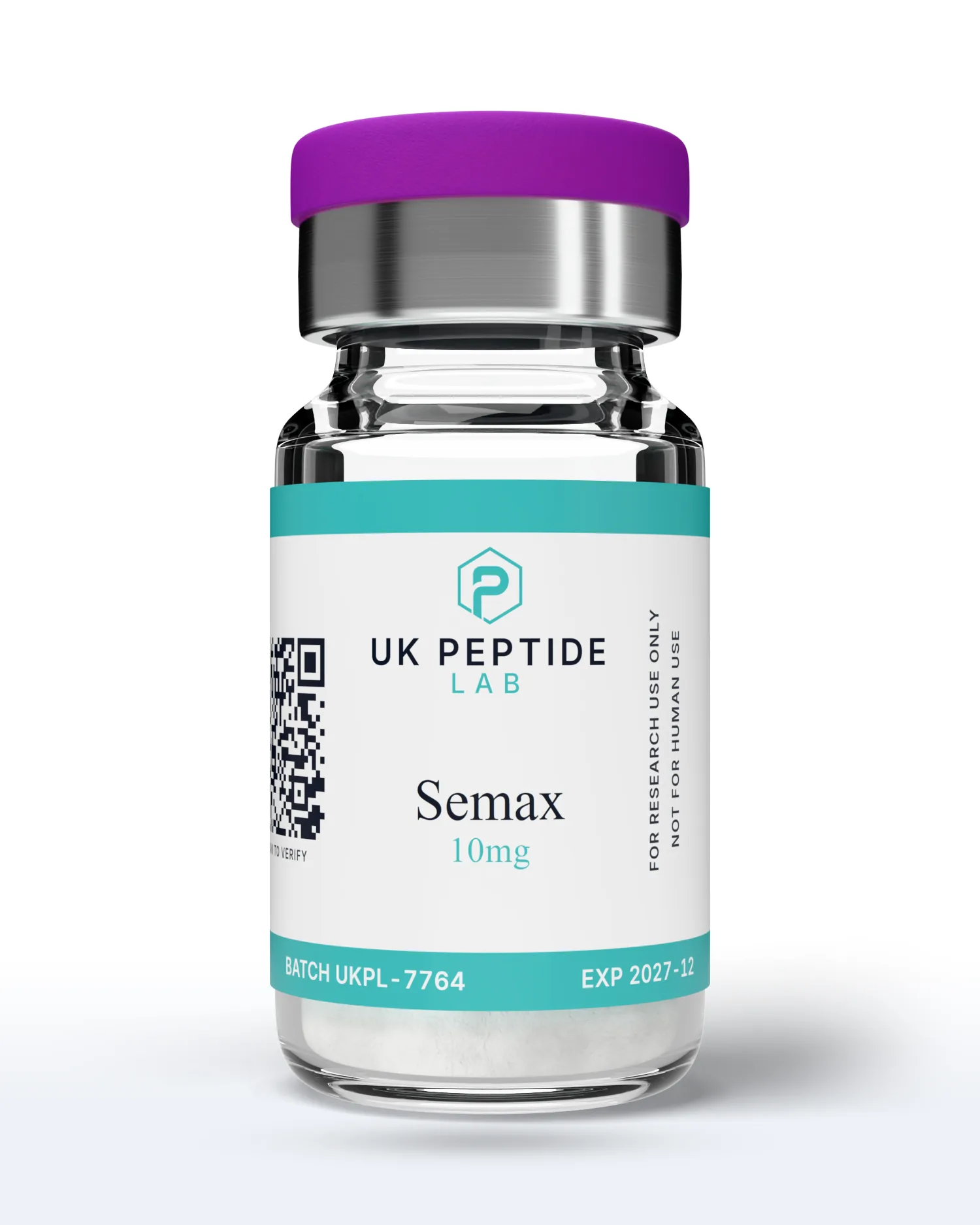 Semax research vialSynthetic ACTH 4-10 analogue heptapeptide. Nootropic research compound.
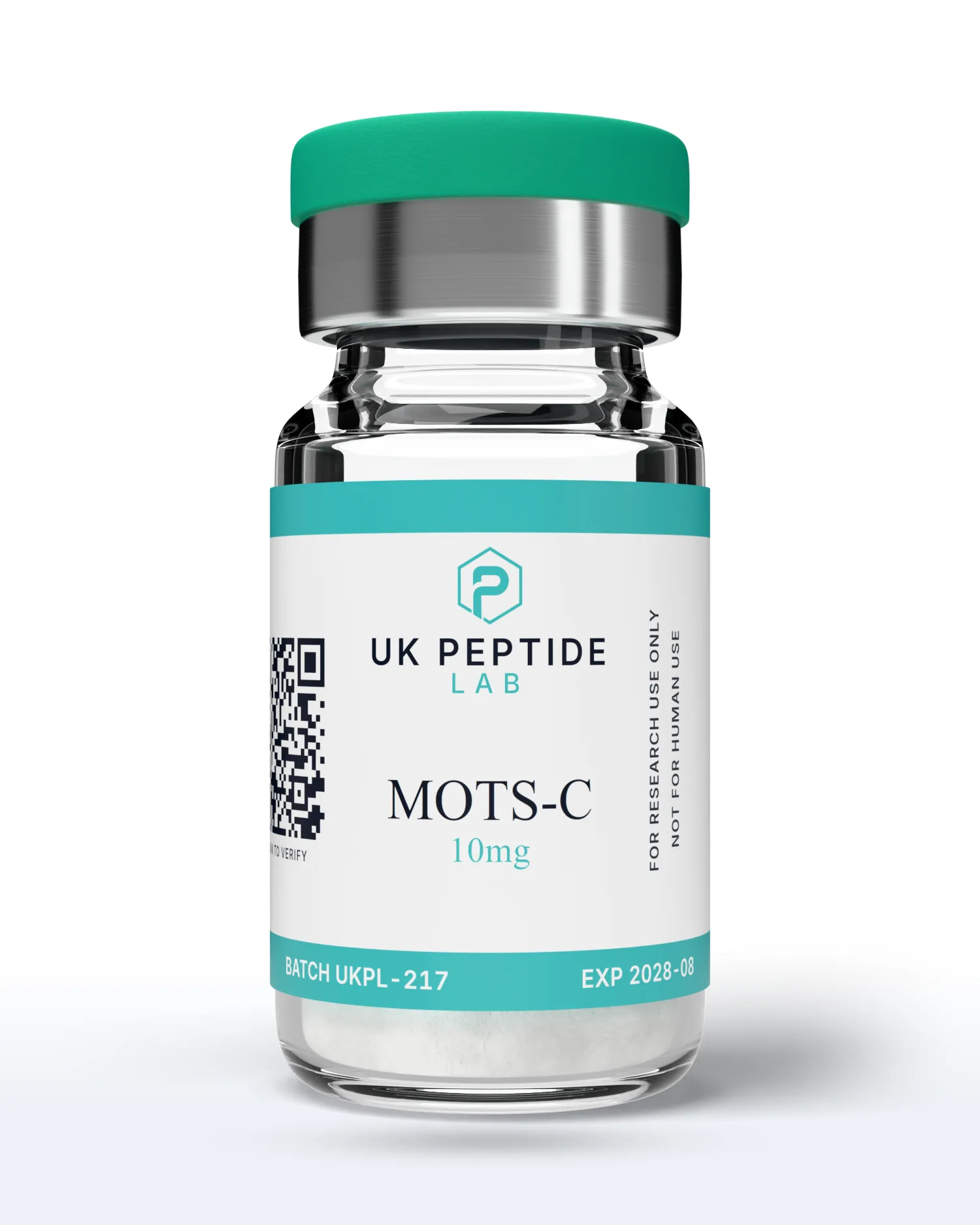 MOTS-C research vial16 amino acid mitochondrial-derived peptide. Metabolic research compound.
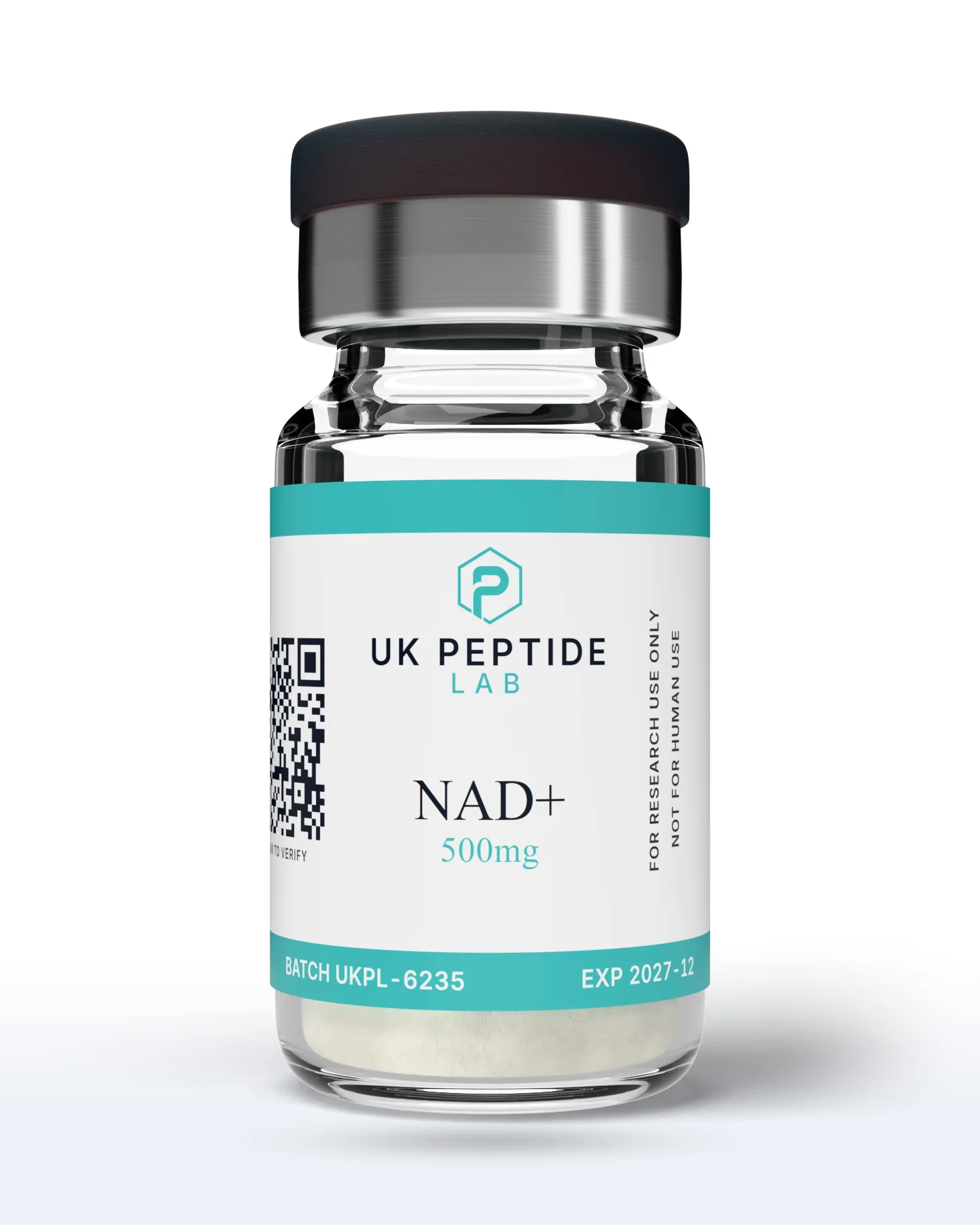 NAD+ research vialCellular redox coenzyme. Mitochondrial and sirtuin pathway research compound.
For laboratory research use only. Not for human consumption.